Case file · Route 7 · early 1920s
Broad Run Toll House
A favorite place to buy whiskey until tolls ended in 1924: $2 a pint, $8 to $9 a gallon.
Loudoun beer history
Colonial taverns, temperance crowds, mountain moonshine and one Ashburn brewery that started it all. This is how Loudoun became Virginia's beer capital.
1607 to 1799
Before Loudoun had breweries, it had ordinaries: roadside taverns where travelers, farmers and politicians drank, ate and argued.
1607
English colonists bring beer to Jamestown, home to the first brewery in the American colonies. Water was risky. Beer and cider were what people drank.
1647
A traveler reports six public brewhouses in the colony and "good barley" for malt. Most brewing still happens at home, and mostly by women.
1730s
Quakers build Janney's Mill on Catoctin Creek, the start of Waterford. Pennsylvania German farmers form the German Settlement that becomes Lovettsville. Home brewing comes with them.
c. 1728
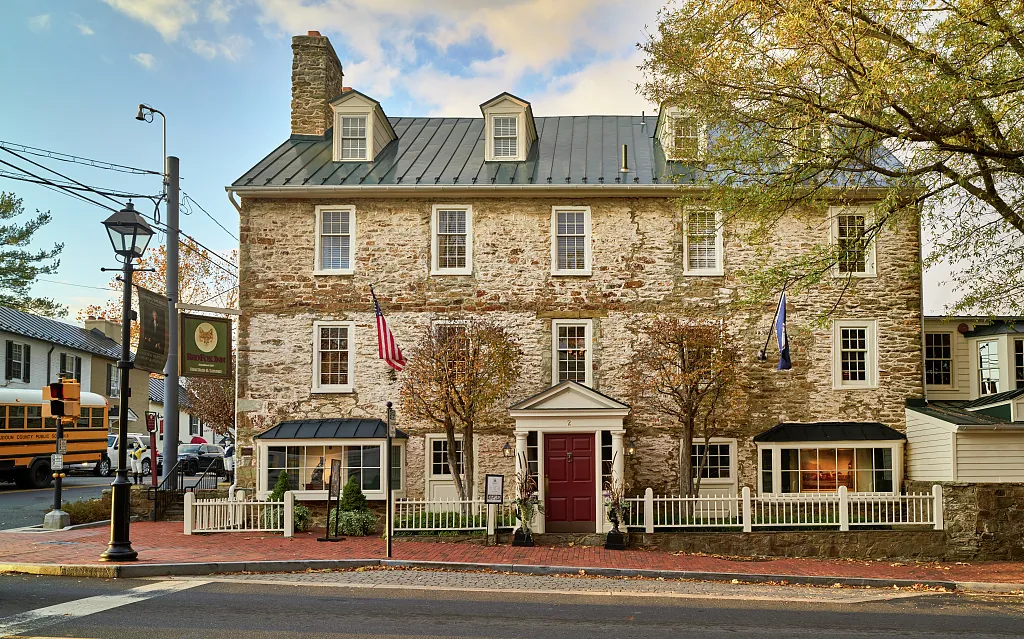
Settler Joseph Chinn turns his fieldstone home on an old trail, today's Route 50, into an ordinary for travelers. The village that grows around it becomes Middleburg, and the building still pours today as the Red Fox Inn & Tavern.
1757
Nicholas Minor had opened a tavern where the Old Carolina Road met today's Route 7. When Loudoun County forms in 1757, he names the cluster of buildings around it "George Town." In 1758 it is chartered as Leesburg.
Loudoun's county seat grew up around a tavern.
Nicholas Minor's "George Town," 1757
1769
Fryer is licensed to keep an ordinary in eastern Loudoun. Centuries later, archaeologists dig its cellar and find far more 18th century beer and wine bottle glass than at typical homes of the day.
From the cellar
Free-blown 18th century wine and beer bottle bases, recovered from the cellar of an eastern Loudoun ordinary. The site held far more bottle glass than period homes nearby.
1775
Leesburg has at least three ordinaries around the courthouse: Mosses', Herryford's and McCabe's. Word of Lexington and Concord reaches town in April 1775, and McCabe's taproom is where locals likely talked it over.
1790
The average American adult drinks about 34 gallons of beer and cider a year. Colonial brewers stretch barley with whatever is on hand: molasses, honey, even persimmons.
1800 to 1915
Loudoun's farms prosper, inns line the turnpikes, and a growing temperance movement starts filling Leesburg's streets.
1825
Crowds pack town for the Marquis de Lafayette's visit. Drawings on the upstairs walls of the old McCabe's Ordinary are believed to date from that week.
1870s
Temperance meetings draw 3,000 to 4,000 people to Leesburg. Extra rail cars bring supporters out from Washington and Maryland.
1914
In Virginia's statewide prohibition referendum, about 54% of Loudoun voters say yes. In Leesburg, about 58% vote no. The state goes dry anyway.
1916 to 1934
Virginia shuts off the taps three years before the rest of the country. In the Blue Ridge, Short Hill and Bull Run mountains, the stills fire up.
1916
Statewide Prohibition begins November 1, 1916, more than three years before national Prohibition. Enforcement gets creative.
1920s
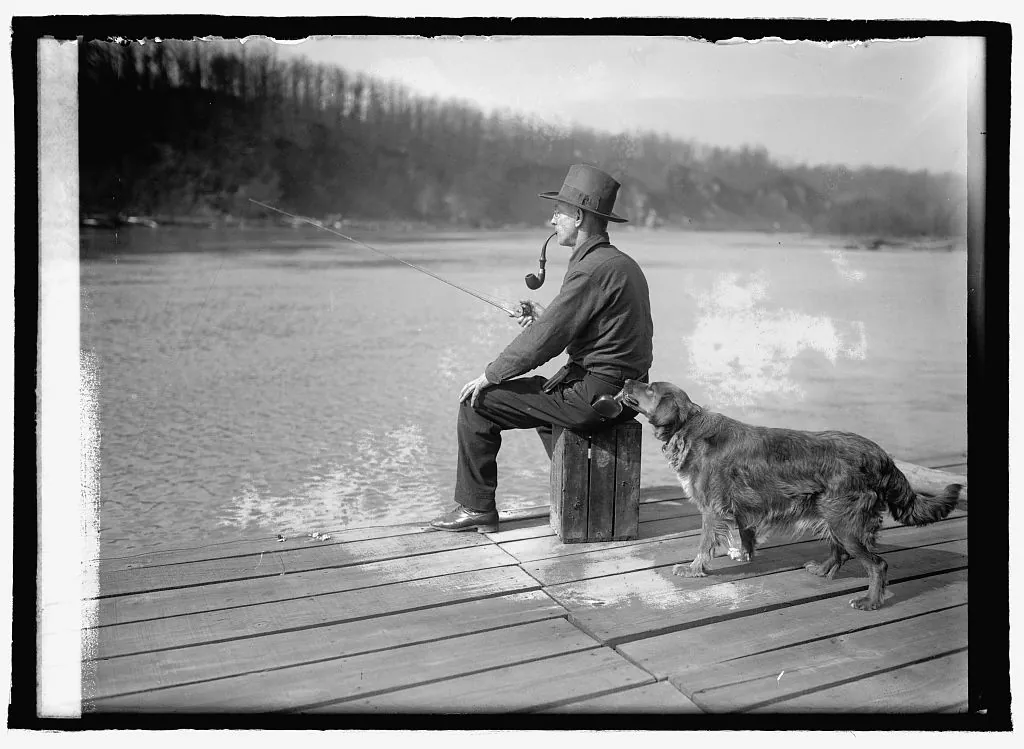
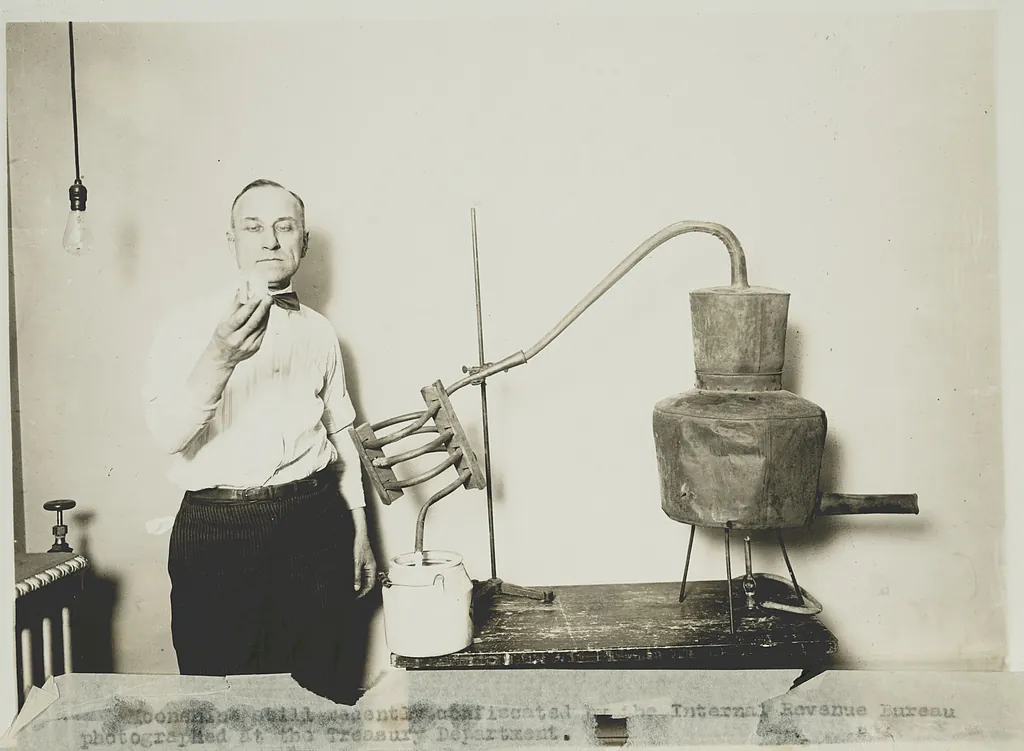
Whiskey sells for about $2 a pint along Route 7. Stills hide on mountain ridges, creek bottoms and even an island in the Potomac.
Case file · Route 7 · early 1920s
A favorite place to buy whiskey until tolls ended in 1924: $2 a pint, $8 to $9 a gallon.
Case file · Ashburn · 1923
A Leesburg IRS agent raids a still on the Belmont property and is shot and killed by its guard.
Case file · Potomac River · 1930s
Stonemason Earl Batt runs a still on an island just over the Maryland line and ferries half-gallon jars to the Virginia shore for $3.
Case file · Goose Creek · 1935
"Old Man" Quesenberry shoots a revenue agent near his still. He gets 27 years and never reveals where the still was.
1933
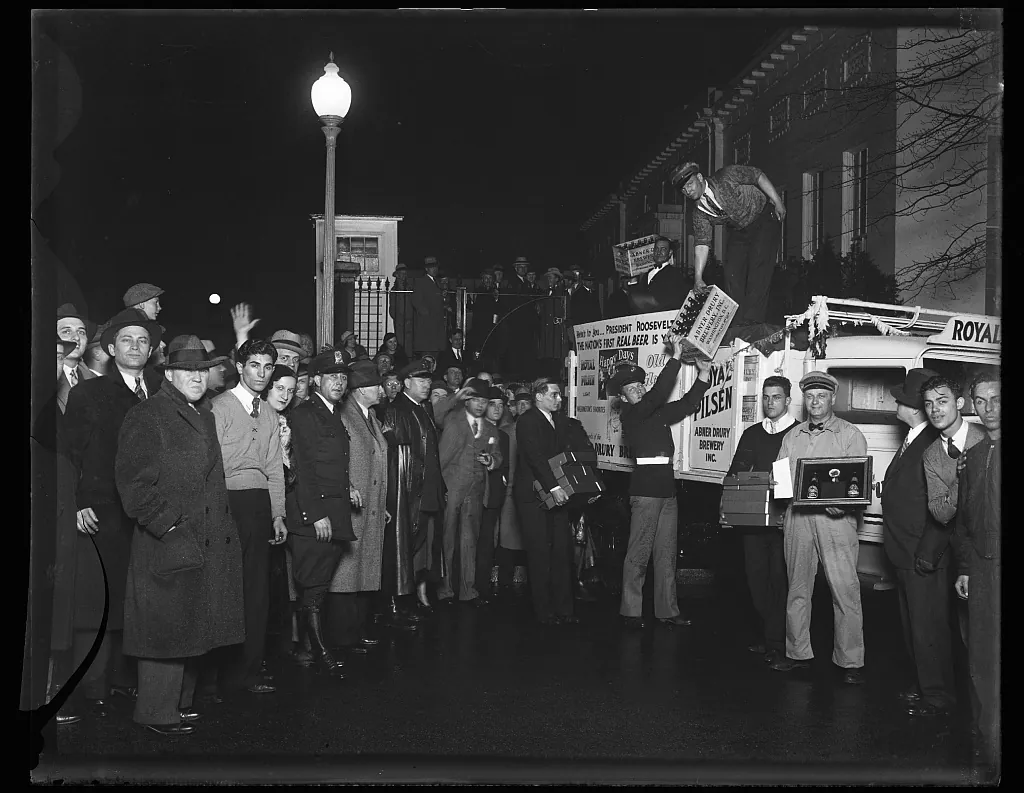
Legal beer returns nationally that spring. On October 3, 1933, Virginians vote almost 2 to 1 to end Prohibition.
1934
The General Assembly creates the Department of Alcoholic Beverage Control on March 22, 1934. In Loudoun's hills, a few home stills keep running for decades.
1968 to 2010
One brewery in an Ashburn office park changes everything, and trains the people who will build what comes next.
1968
Virginia restaurants can finally serve cocktails. The modern hospitality era begins.
1989
Jerry Bailey leaves a government job and opens Old Dominion Brewing Company in a small Ashburn industrial park. It becomes Virginia's largest craft brewery and puts the state on the craft beer map.
The Old Dominion family tree
Many of today's Loudoun breweries trace their roots to one Ashburn office park.
2001
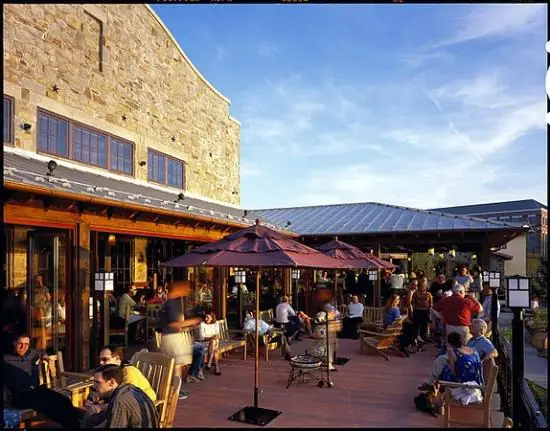
Sweetwater Tavern gets its brewery license, brewing beer for its Sterling dining room.
2003
Catoctin Creek opens in Purcellville, Loudoun's first legal distillery since 1916.
2009
After Bailey steps away and Old Dominion joins Fordham, the Ashburn brewpub closes in 2008 and production moves to Dover, Delaware, in 2009. Its brewers stay in Loudoun.
2011 to 2016
Two new state laws, a handful of Old Dominion alumni and a lot of farmland turn Loudoun into Virginia's beer capital in five years.
2011
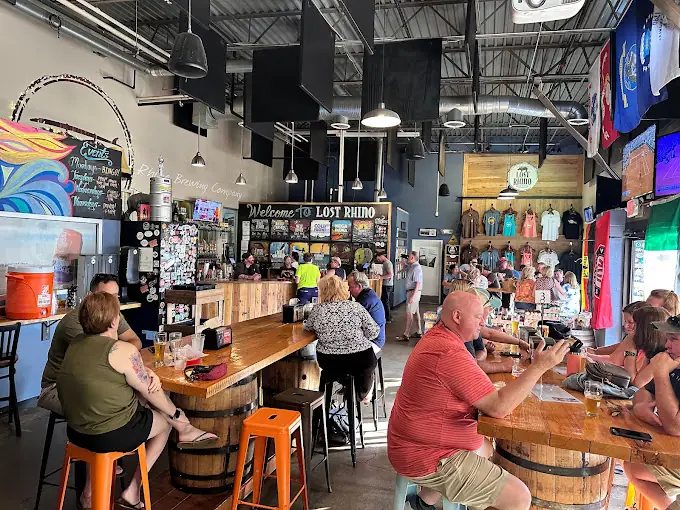
Old Dominion brewers Matt Hagerman and Favio Garcia open Lost Rhino in Ashburn in May, furnished with tables, windows and doors bought at Old Dominion's auction. In July, Corcoran Brewing's farm opening draws 900 visitors.
2012
Virginia passes SB 604, and breweries can sell pints in their own tasting rooms. Barnhouse Brewery opens that October.
2012 · SB 604
Before: breweries could pour small samples. After: full pints, sold on site. The tasting room era begins.
2014 · SB 430
Before: brewing meant industrial parks. After: farms can brew with what they grow, and western Loudoun fills with farm taprooms.
2013
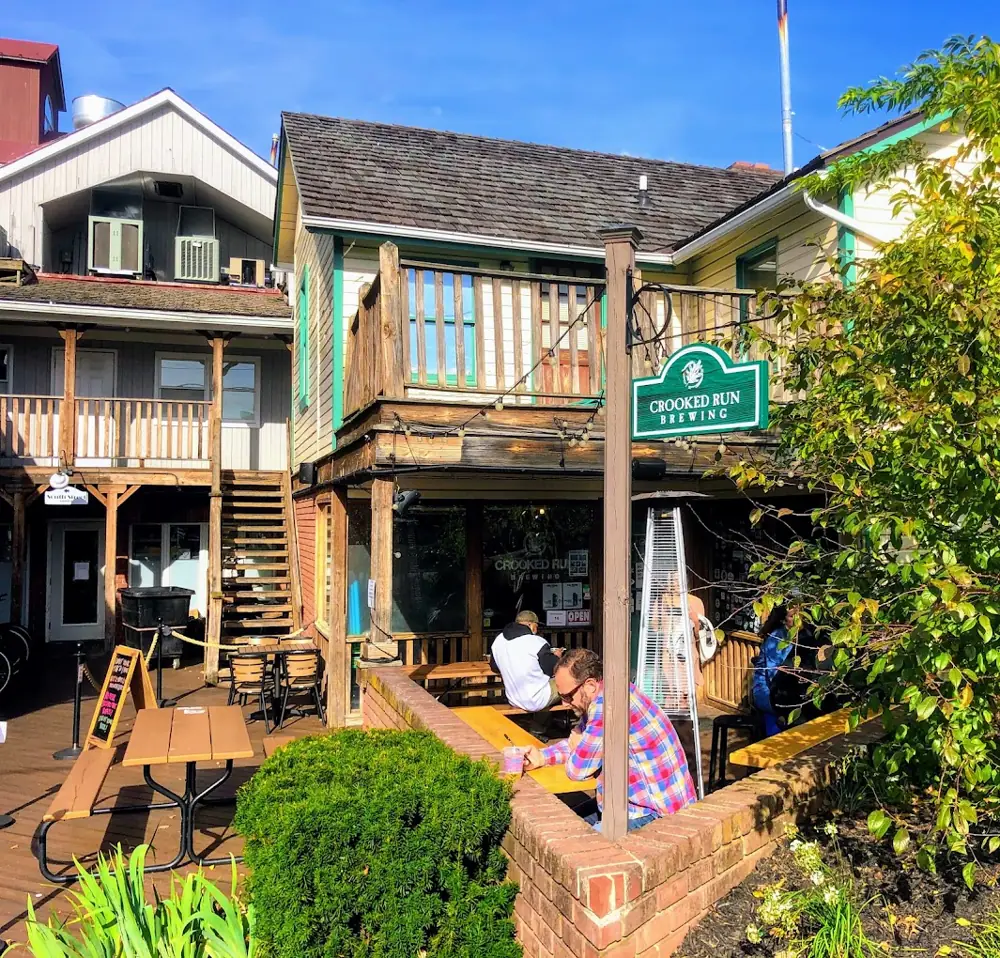
Crooked Run opens its Leesburg taproom. Lost Rhino brews Native Son, one of the first modern beers made entirely with Virginia ingredients.
2014
SB 430 creates farm brewery licenses, opening western Loudoun's farms to brewing. Adroit Theory, Old Ox (whose founding brewer also came from Old Dominion) and Old 690 open.
2015
Ocelot, Dirt Farm, Loudoun Brewing and Vanish Farmwoods are among seven breweries that open. Black Hops Farm starts the Mid-Atlantic's first commercial hops processing, and Visit Loudoun launches the LoCo Ale Trail.
2016
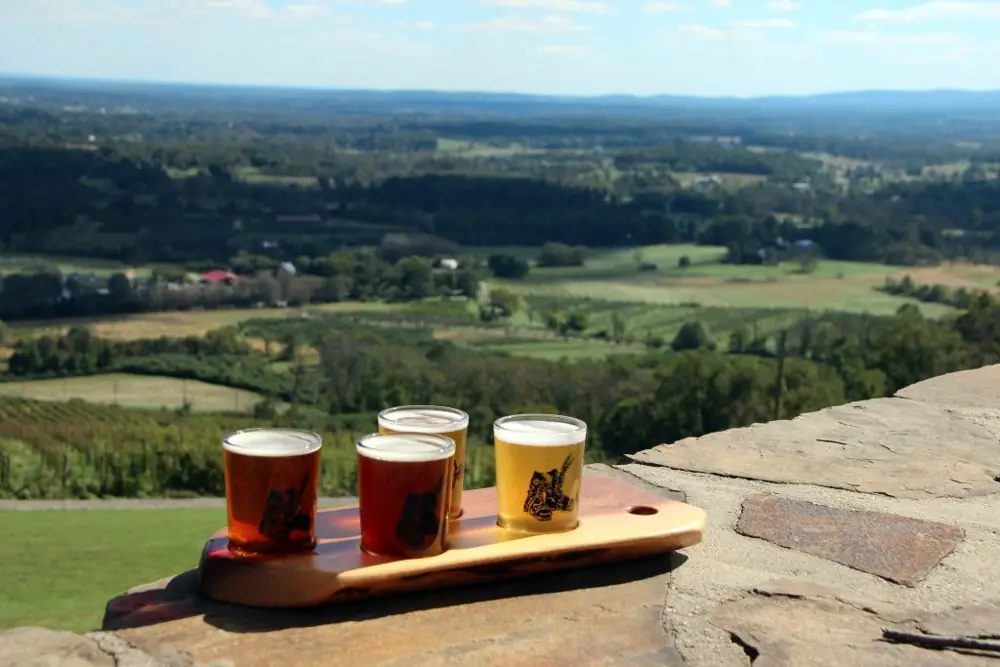
Loudoun reaches 18 breweries. Statewide, breweries grow from 21 in 2012 to 98, and no county has more than Loudoun.
2017 to today
The breweries organize, compete, give back, and start looking back at the history they are part of.
2017
Loudoun's breweries form the Loudoun County Brewers Association to advocate, train and promote together. Crooked Run opens a second brewery in Sterling.
Learn more2018
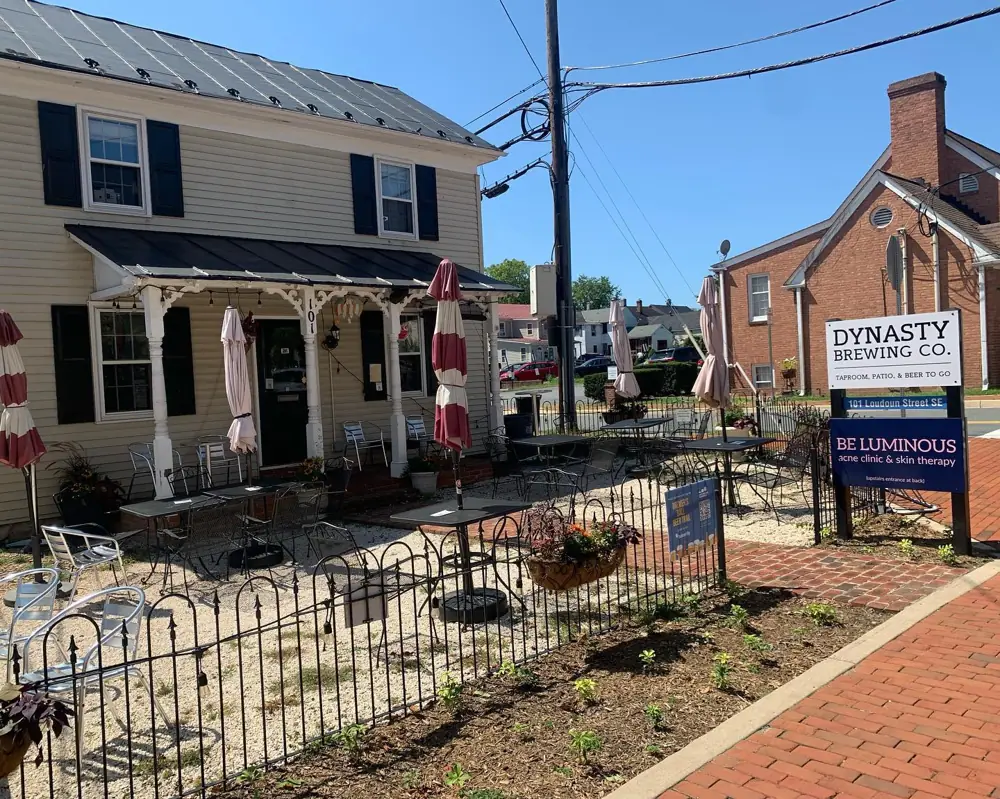
Dynasty, House 6, Phase 2, Bear Chase and Hillsborough open. Dynasty's brewing director is Favio Garcia, one of Lost Rhino's founders.
2020
More than 35 breweries are linked by the LoCo Ale Trail. Virginia also makes every county "wet" unless local voters choose otherwise.
2023
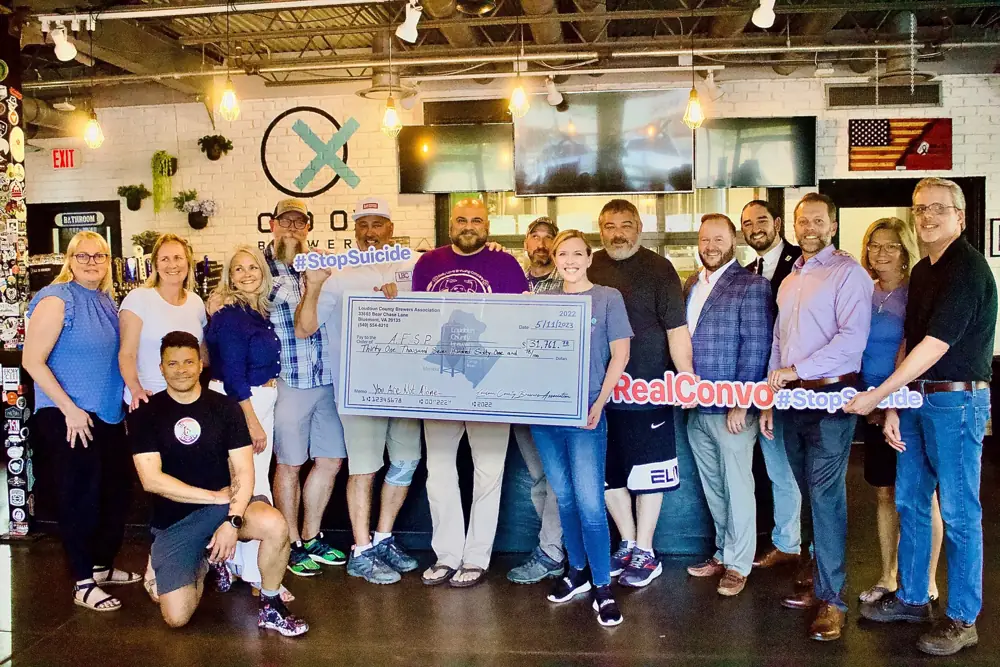
The first Annual Charity Collab brews "You Are Not Alone" for the American Foundation for Suicide Prevention. The collabs have since given more than $172,000 to local charities.
2025
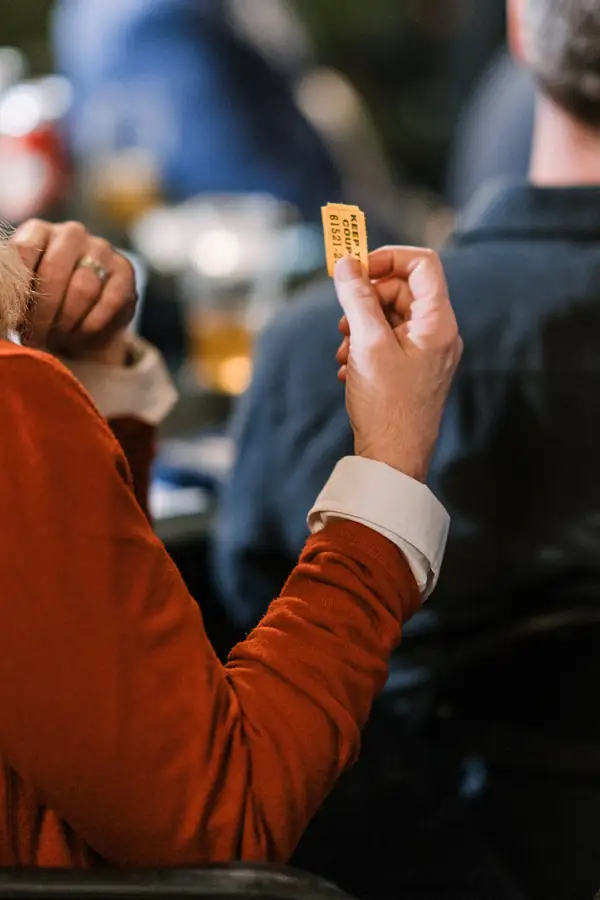
The first Loudoun Beer Awards sell out. Year 2 sells out too. Loudoun breweries also pour colonial-inspired beers on the Revolutionary Brews trail for the nation's 250th.
2027
The LCBA turns 10 at the 3rd Annual Loudoun Beer Awards. The next chapter is being brewed right now.
Learn moreDates and details come from the sources below. We have not found a documented commercial brewery in Loudoun before 1989. If you have records, photos or family stories about brewing or taverns in Loudoun, we'd love to hear from you.